NSF/ANSI 42, 53, 58 & 401 Water Filter Standards Explained
Separate third-party NSF/ANSI drinking-water certifications from vague marketing claims and size cartridge replacement intervals by gallons.
Shopping for a home water filter is confusing because nearly every box claims to remove dozens of contaminants while hiding whether an independent lab certified the claim. Reading the exact NSF/ANSI standard numbers tells you precisely what a filter is built to reduce.
Quick decoder for the five main NSF/ANSI numbers
Each NSF/ANSI standard covers a distinct category of filtration performance or material safety. A single system can hold multiple certifications at once.
| Standard | Category | What It Verifies | Common Hardware |
|---|---|---|---|
| NSF/ANSI 42 | Aesthetic effects | Chlorine taste and odor, nominal particulate class | Basic pitchers, fridge cartridges |
| NSF/ANSI 53 | Health effects | Lead, Cryptosporidium/Giardia cysts, VOCs, PFOA/PFOS | Dense carbon block, gravity & RO |
| NSF/ANSI 58 | Reverse osmosis | Total Dissolved Solids (TDS), fluoride, arsenic V, nitrates, radium | Under-sink & countertop RO |
| NSF/ANSI 401 | Emerging compounds | Specific trace pharmaceuticals, herbicides, BPA, microplastics | Multi-stage carbon & RO systems |
| NSF/ANSI 372 | Lead-free materials | Wetted housing and faucet components meet <= 0.25% lead rules | Plumbing hardware & housings |
Pay careful attention to NSF/ANSI 372: some budget listings display an NSF badge prominently when the unit is certified only for lead-free plastic housing materials (372) rather than actual contaminant reduction (53 or 58).
Matching filter hardware to your municipal water report
Before spending hundreds of dollars on an under-sink system, check your US utility annual Consumer Confidence Report (CCR) or run a home test if you use private well water:
- Municipal tap water with chlorine odor only: An NSF/ANSI 42 carbon pitcher or dispenser handles taste cleanly. Compare options in our water filter pitcher comparison.
- Older home plumbing or local lead/PFAS advisories: Step up to a dense activated carbon block or multi-stage unit carrying explicit NSF/ANSI 53 certification for lead and PFOA/PFOS. See our countertop water filter specs.
- High TDS, hard mineral taste, fluoride or nitrates: Standard carbon cannot strip dissolved salts or fluoride reliably. A tankless or tanked NSF/ANSI 58 membrane is the right match; compare drain ratios and GPD speeds in our under-sink reverse osmosis guide.
Calculating real cartridge life by household gallons
Calendar replacement reminders ("change every 2 months") are only rough averages. Cartridge media saturates based on total gallons filtered and local sediment load.
Multiply your household size by roughly 1.0 gallon per person per day for drinking and cooking water: - A single adult uses ~30 gallons per month, stretching a 40-gallon pitcher filter slightly past a month. - A family of four uses ~120 gallons per month, exhausting a 40-gallon pitcher cartridge every 10 days, making a 200-to-600 gallon carbon block or tankless RO far more practical over a full year.
Run your household headcount and contaminant priorities through our free NSF Standard Matcher & Cartridge Life Calculator before buying.
Water filtration FAQ
Does an NSF/ANSI 42 pitcher filter remove lead or PFAS?
No. NSF/ANSI 42 covers aesthetic qualities such as chlorine taste, odor and particulate class only. To verify lead, cysts or PFOA/PFOS reduction, look specifically for NSF/ANSI 53 certification.
What does NSF/ANSI 372 mean on a water filter listing?
NSF/ANSI 372 verifies lead-free material compliance in the wetted surfaces of the plumbing components themselves (under 0.25% weighted average lead). It does not measure contaminant filtration performance.
Why is "NSF Certified" stronger than "Tested to NSF Standards"?
Full certification from NSF International, WQA or IAPMO requires accredited lab testing, material safety review, structural integrity checks, ongoing factory audits and a searchable public registry listing. "Tested to" may refer only to a single private test.
When do I actually need NSF/ANSI 58 reverse osmosis?
Choose reverse osmosis (NSF/ANSI 58) when you want to reduce Total Dissolved Solids (TDS), fluoride, nitrates, arsenic V or radium, which standard activated carbon pitchers cannot effectively remove.
Related water filter guides
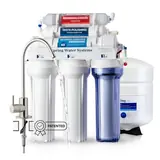 Under-Sink ROBest Under Sink Reverse Osmosis System (2026)A spec-based comparison of under-sink reverse osmosis systems evaluated by NSF 58 ratings, GPD flow, pure-to-drain ratios, and tank size.Read
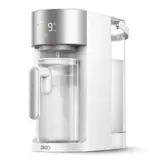 CountertopBest Countertop Water Filter (2026)A spec-based comparison of countertop water filters evaluated by NSF 58 standards, filtration stages, tank capacities, and counter space.Read
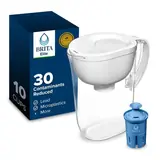 PitchersBest Water Filter Pitcher (2026)A spec-based comparison of water filter pitchers evaluated by NSF 42, 53, and 58 standards, filter lifespans, and refrigerator shelf fit.Read
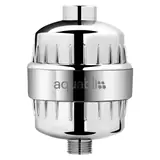 Shower & FaucetBest Shower Head Water Filter (2026)A spec-based comparison of shower head filters evaluated by filtration media, NSF certifications, water pressure, and replacement schedules.Read